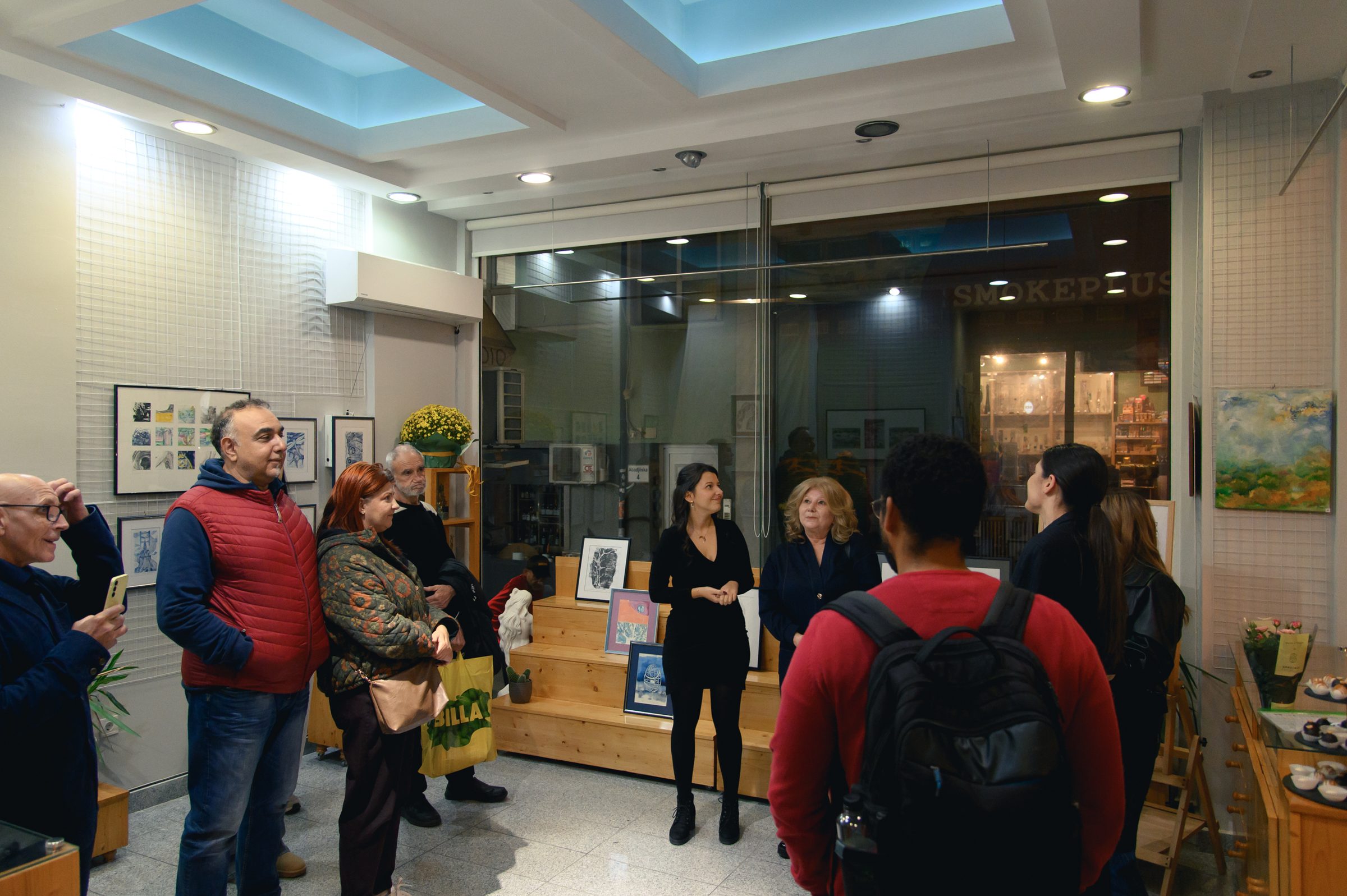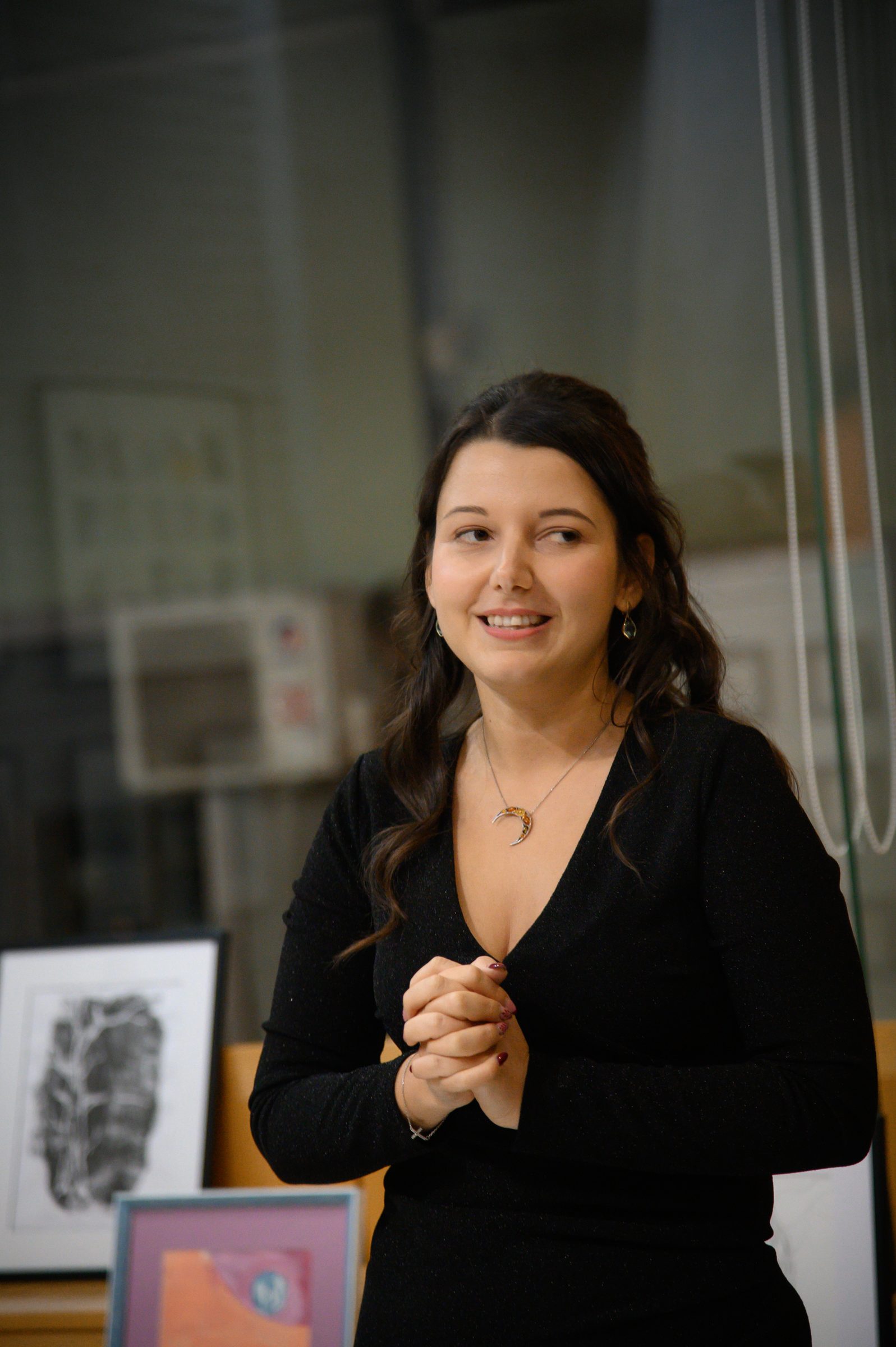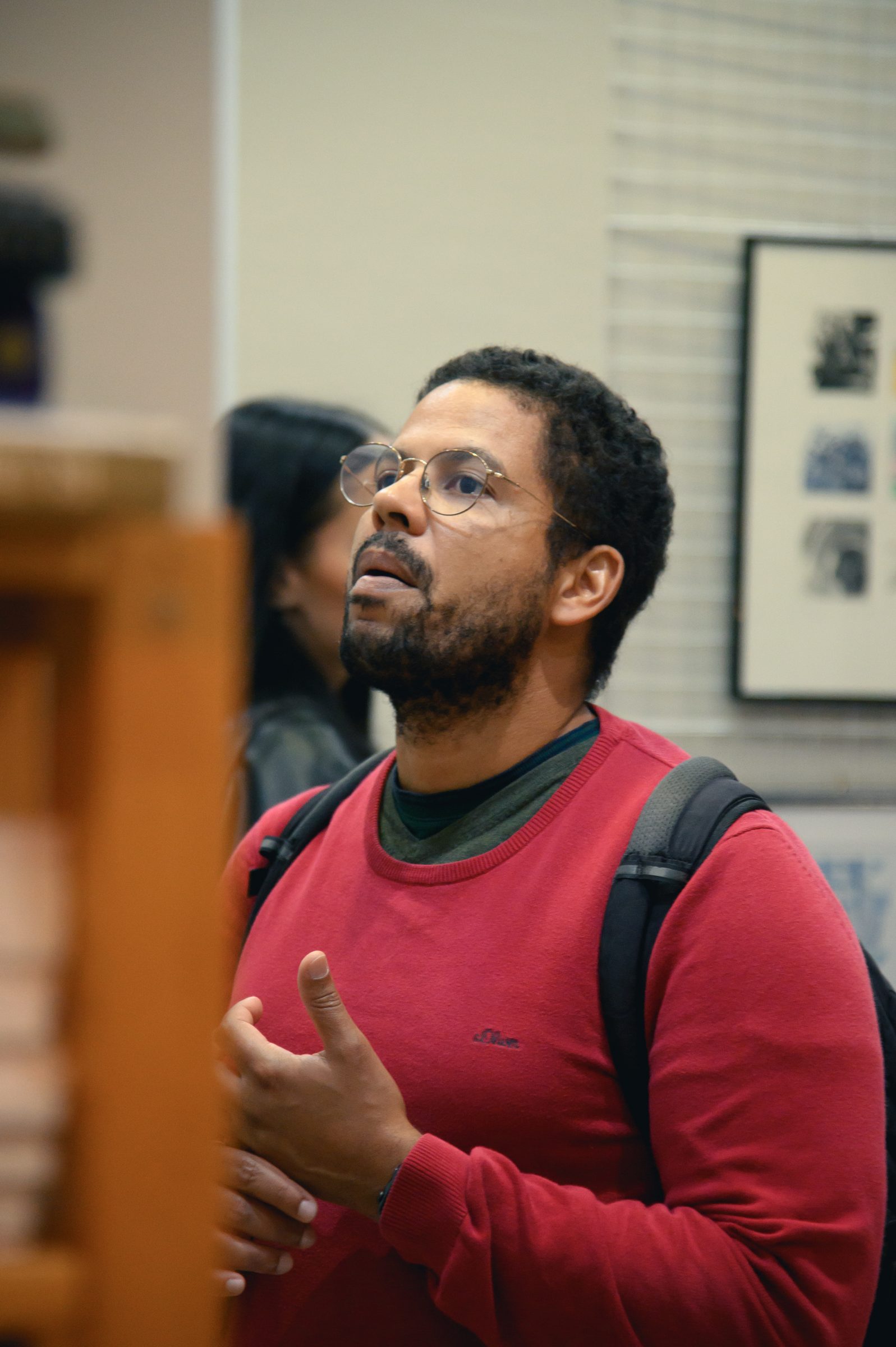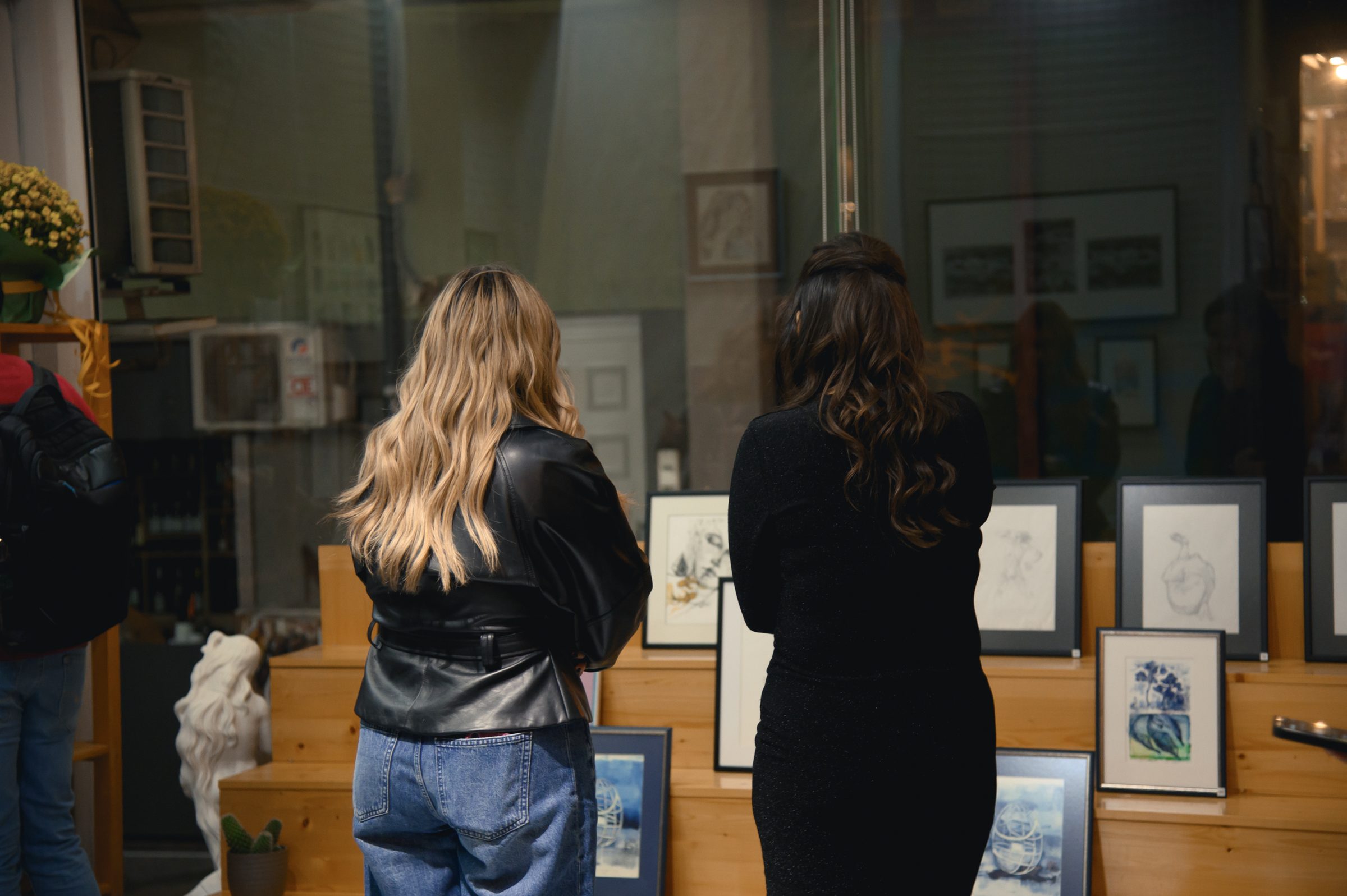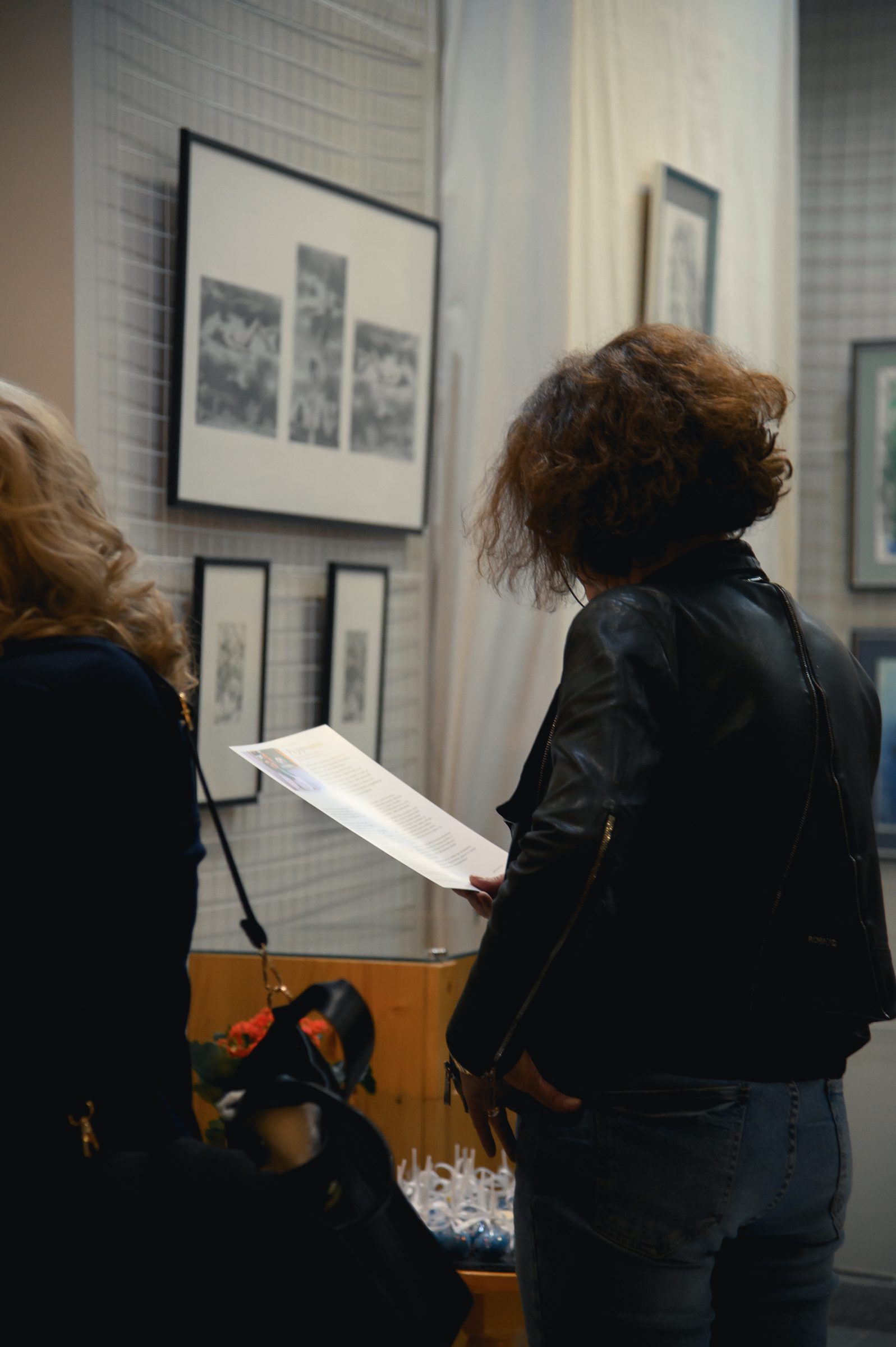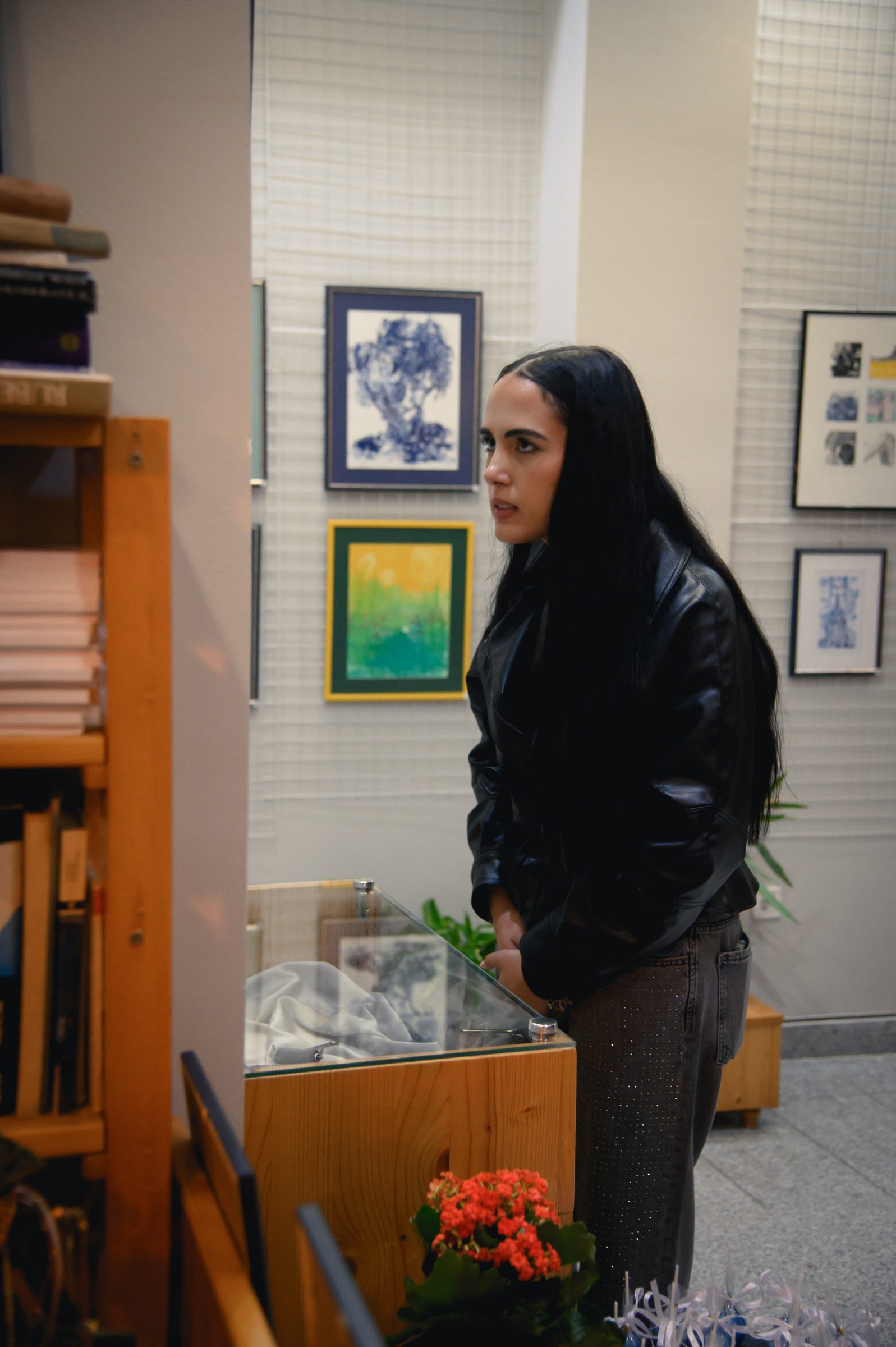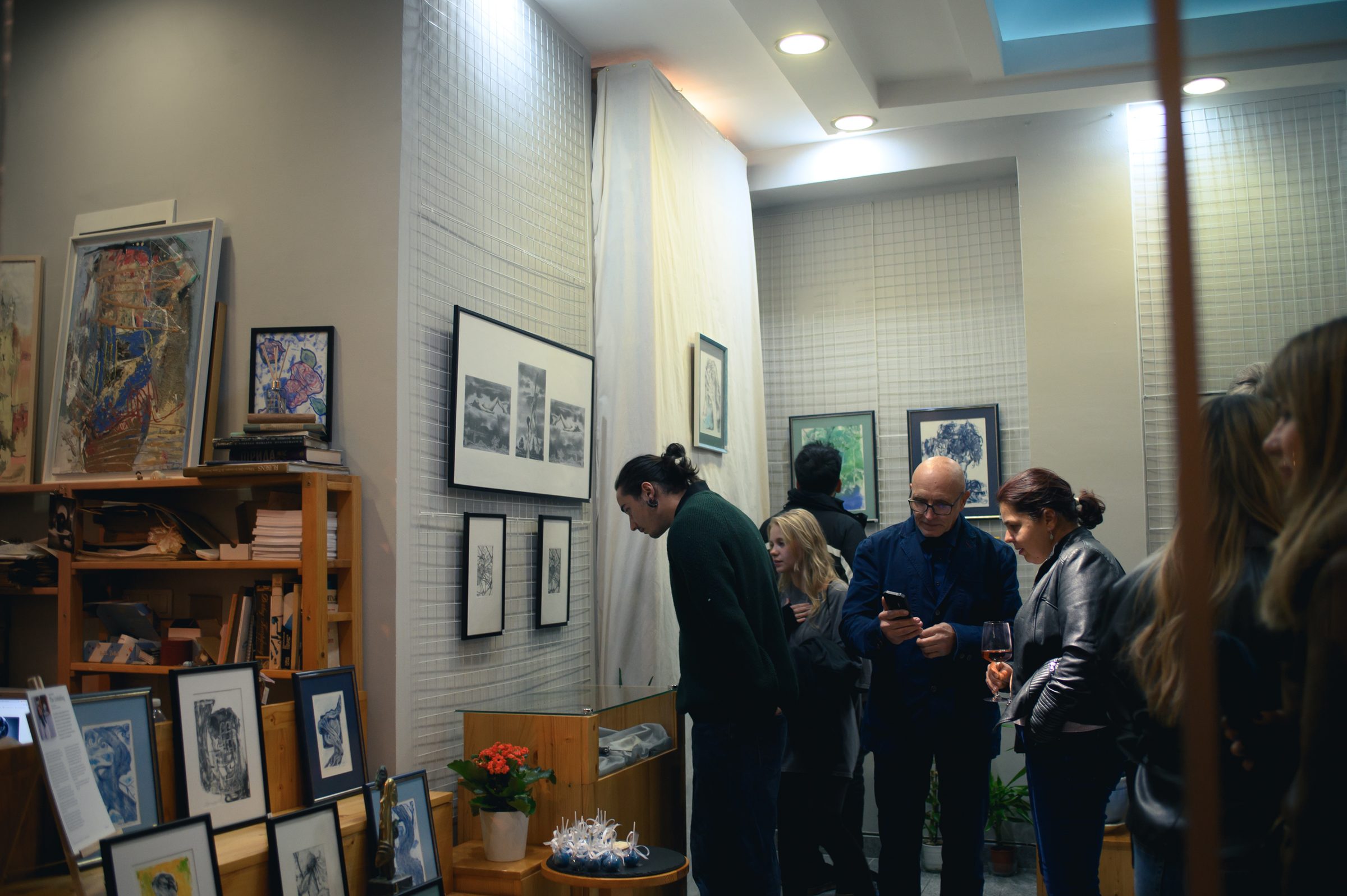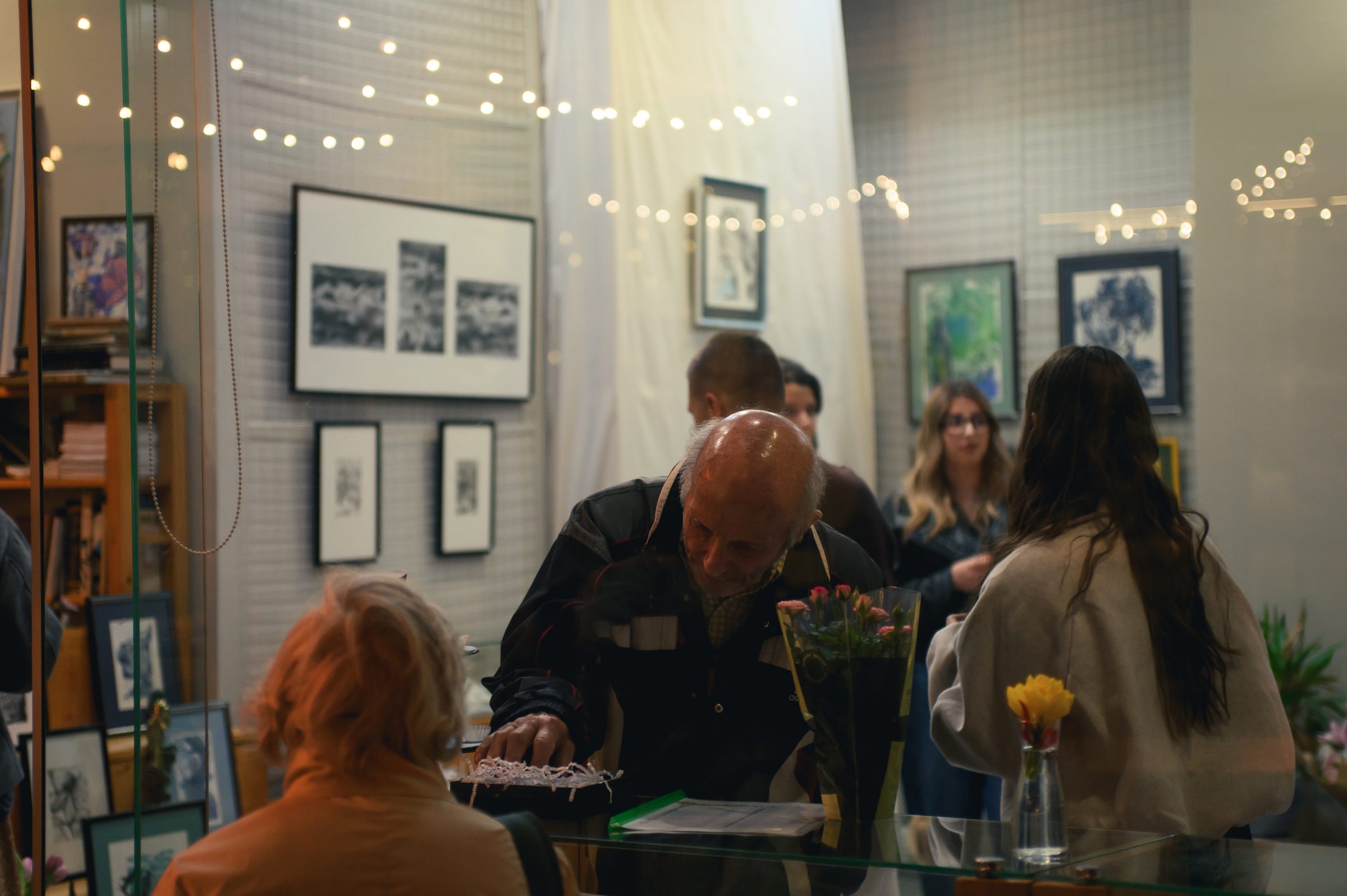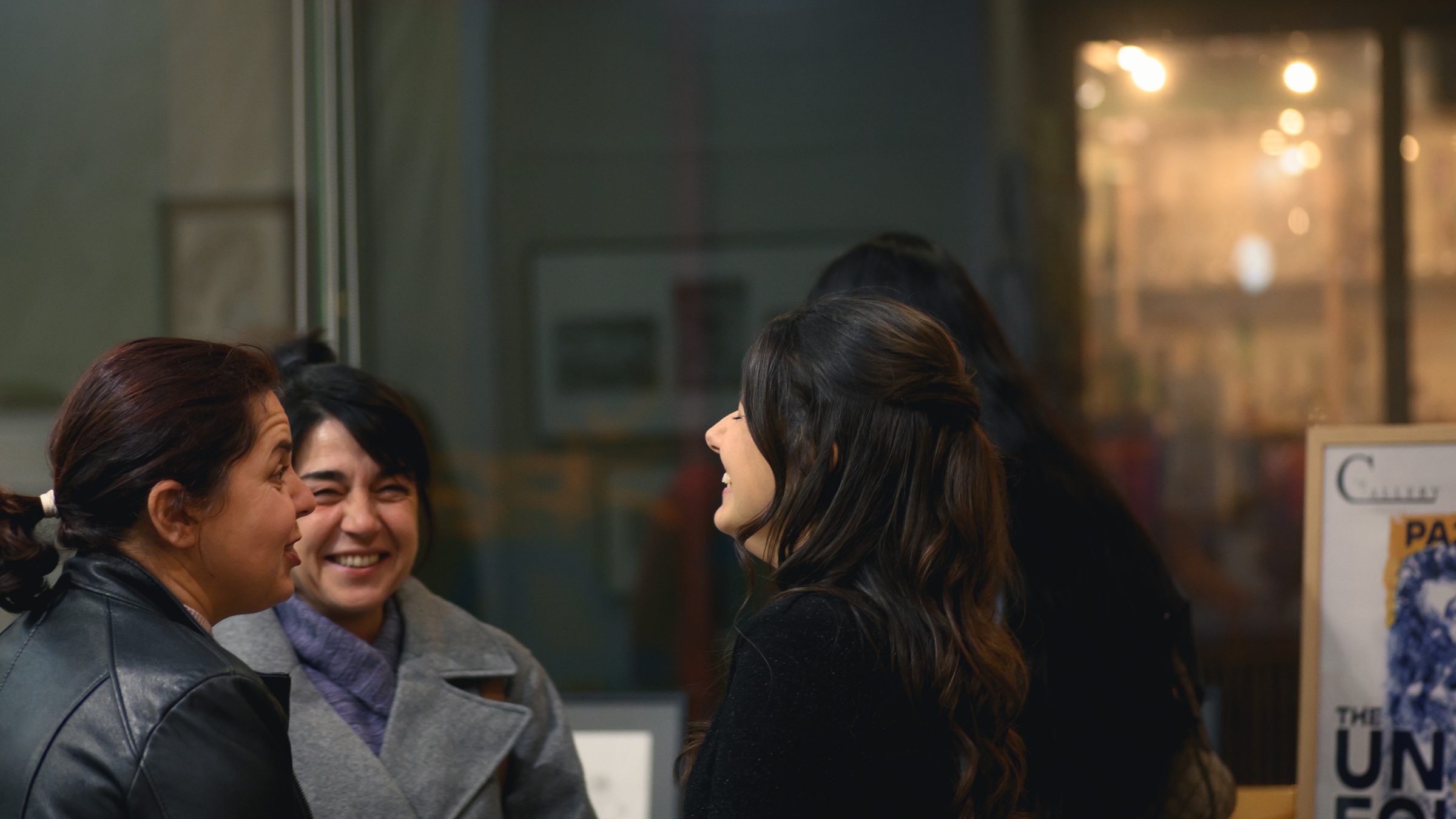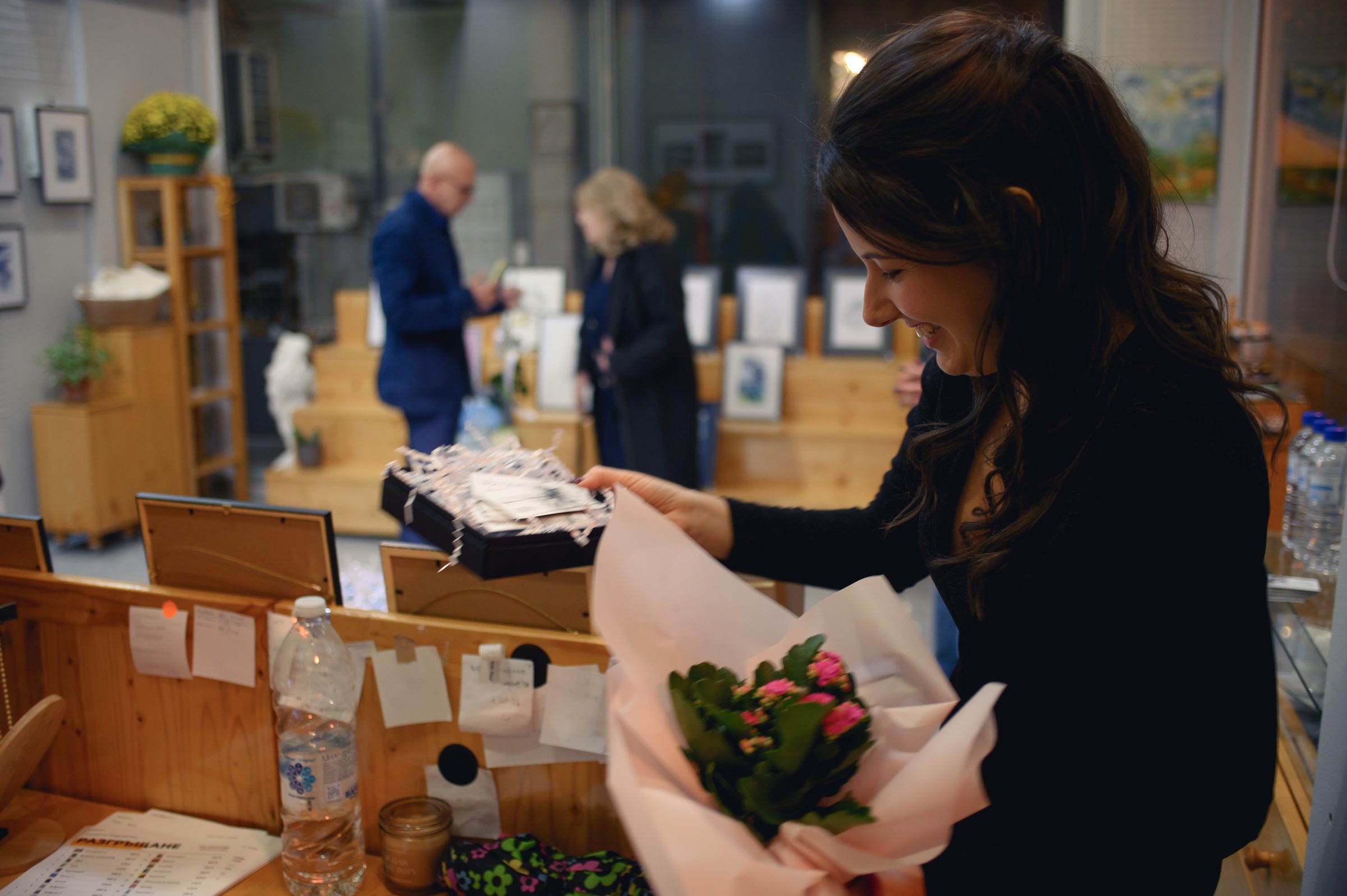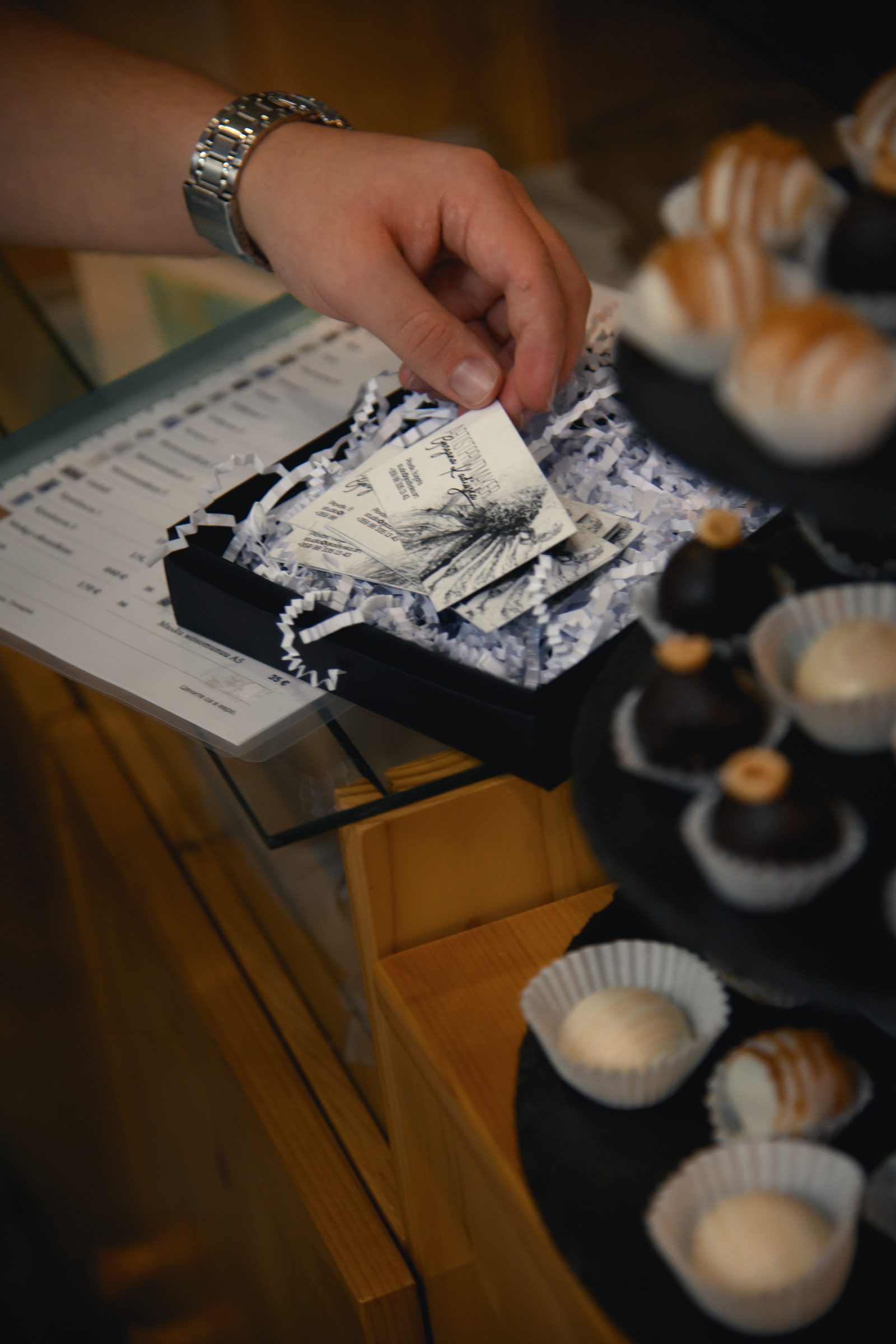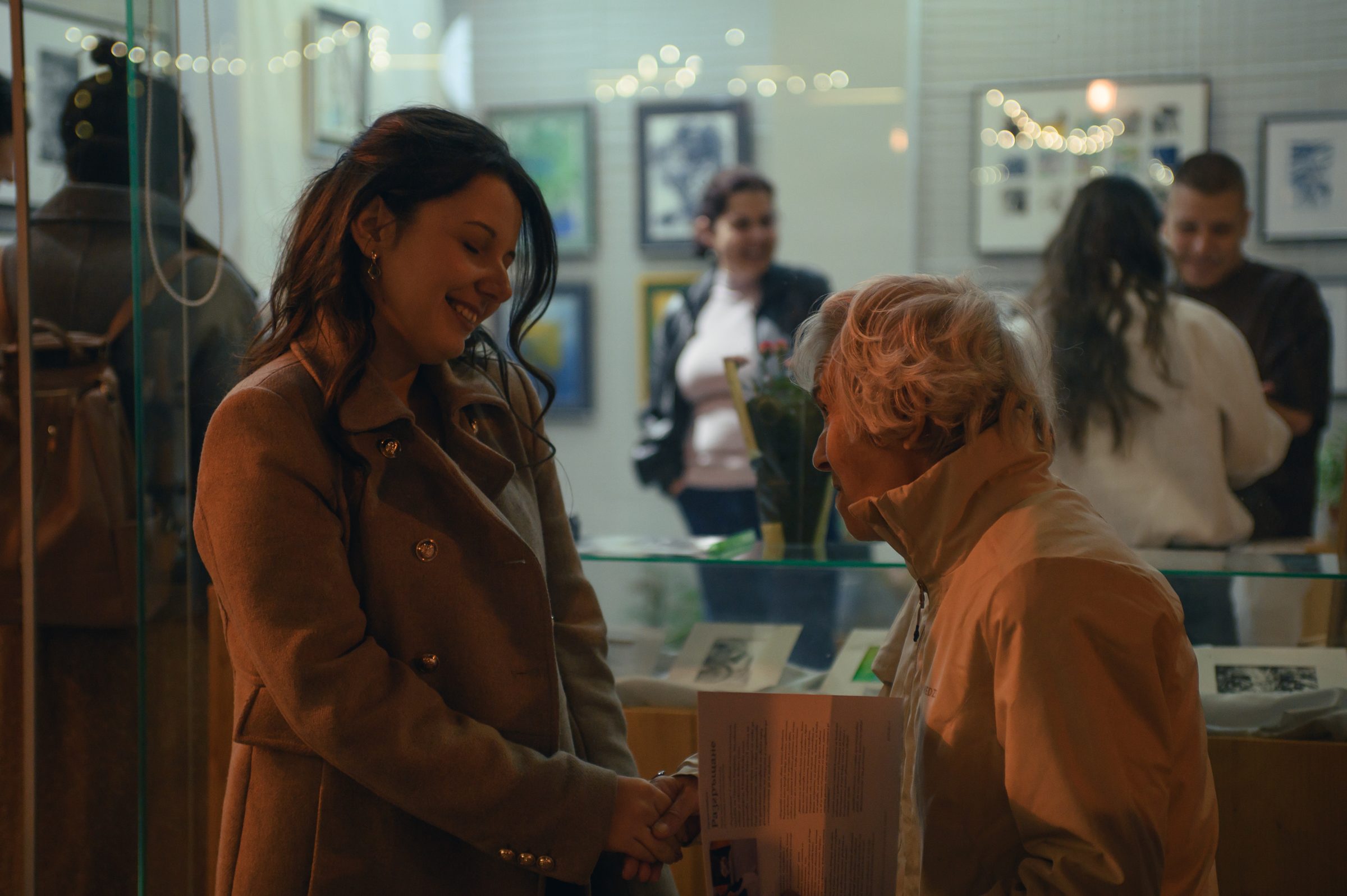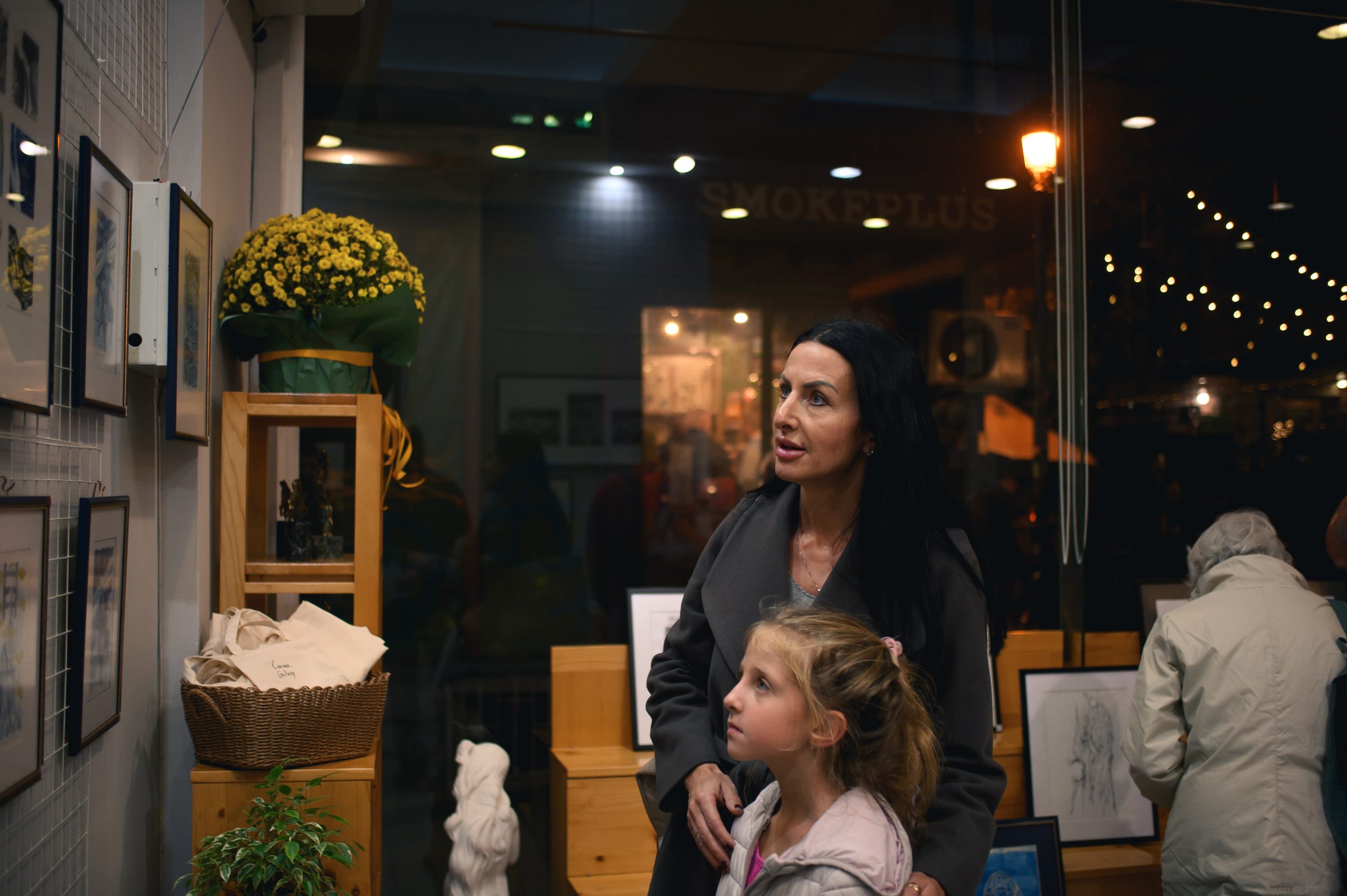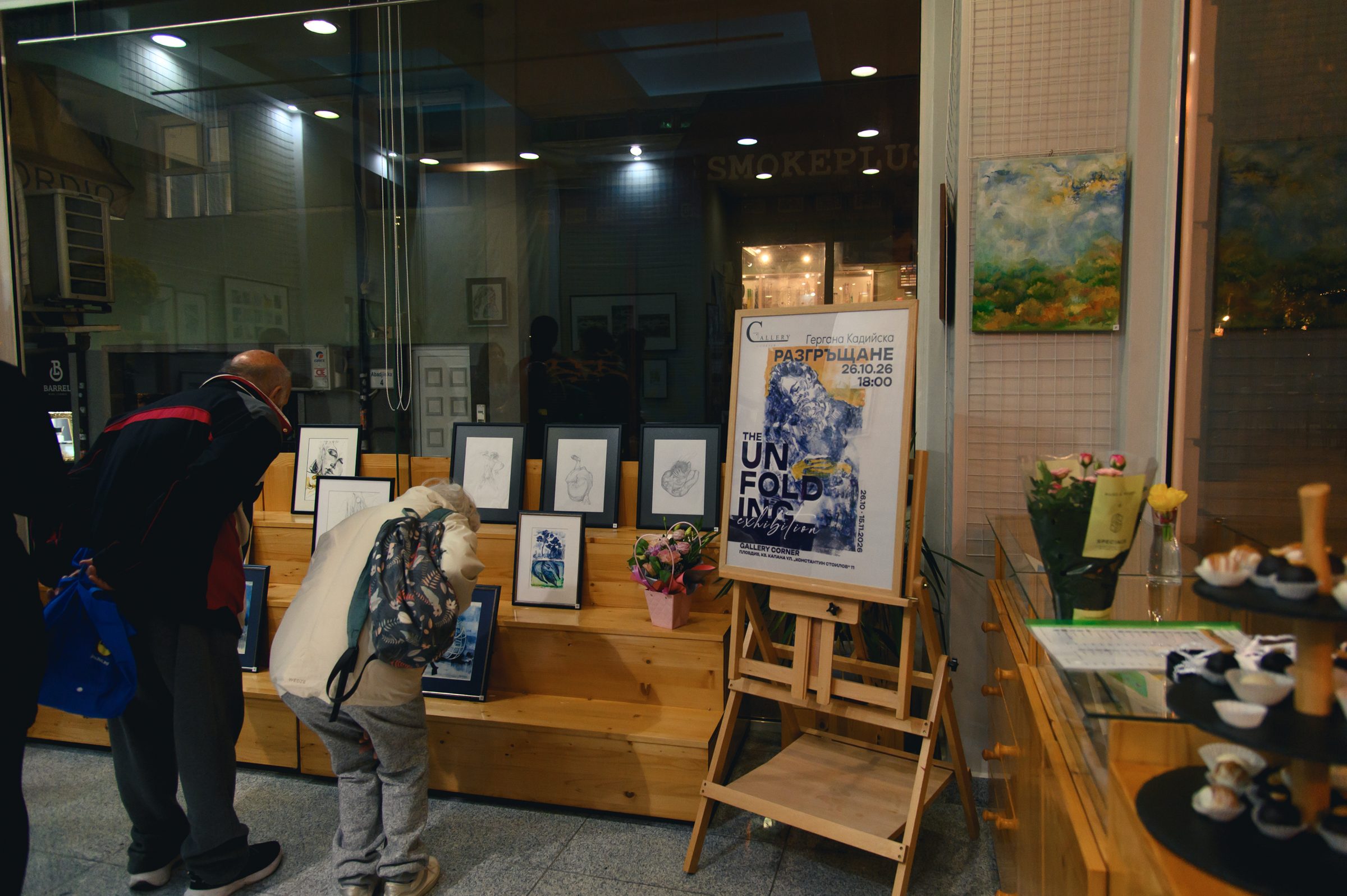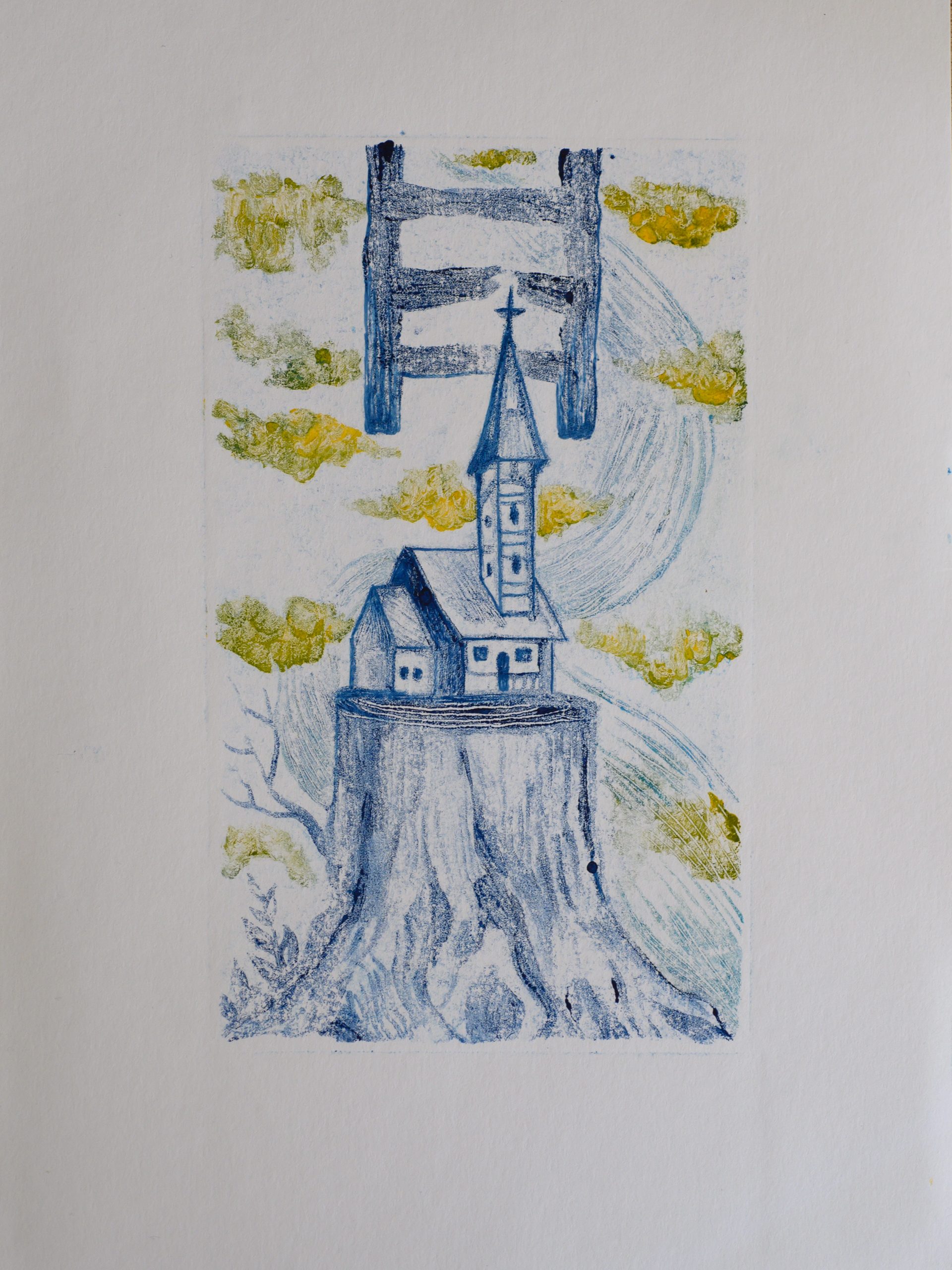
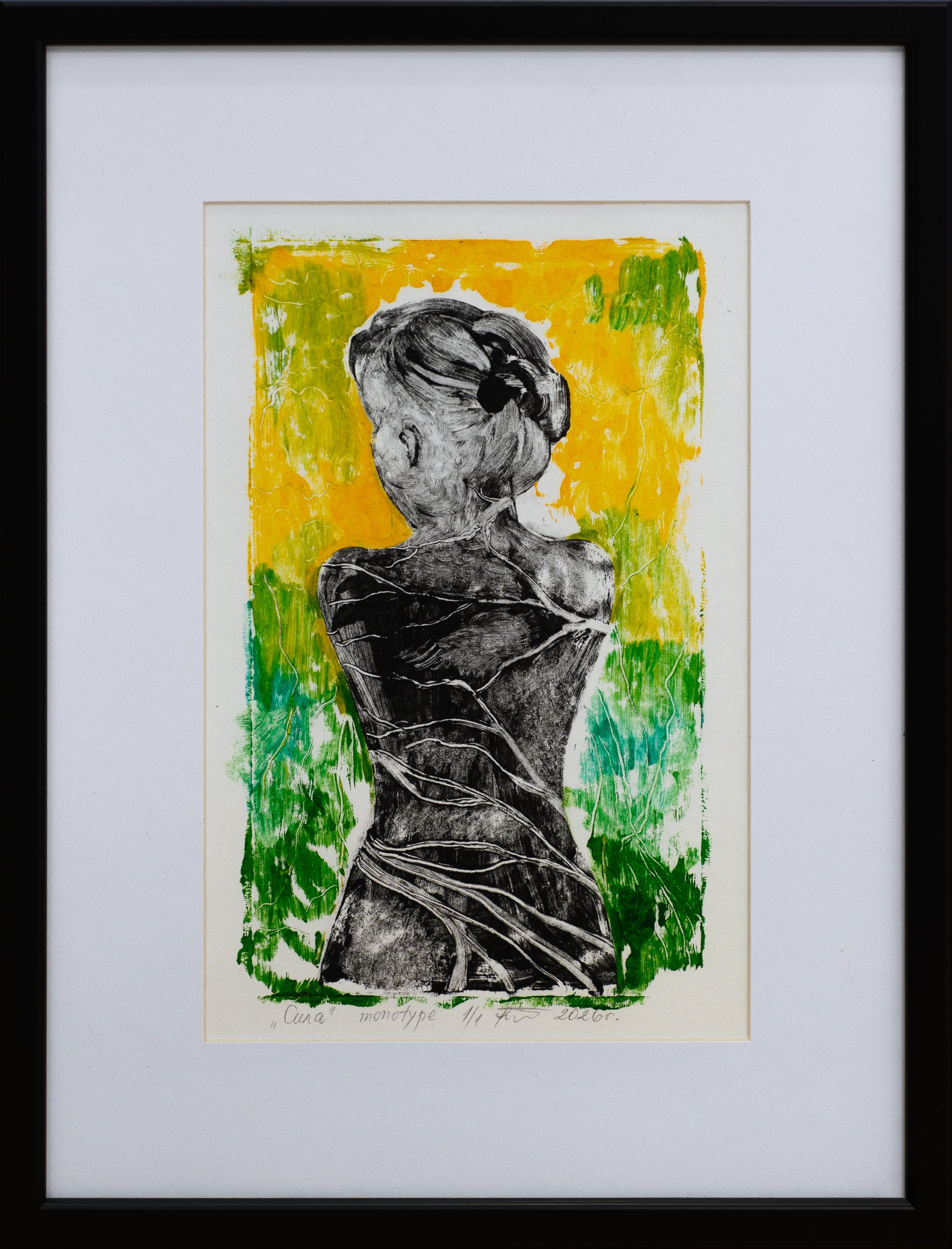
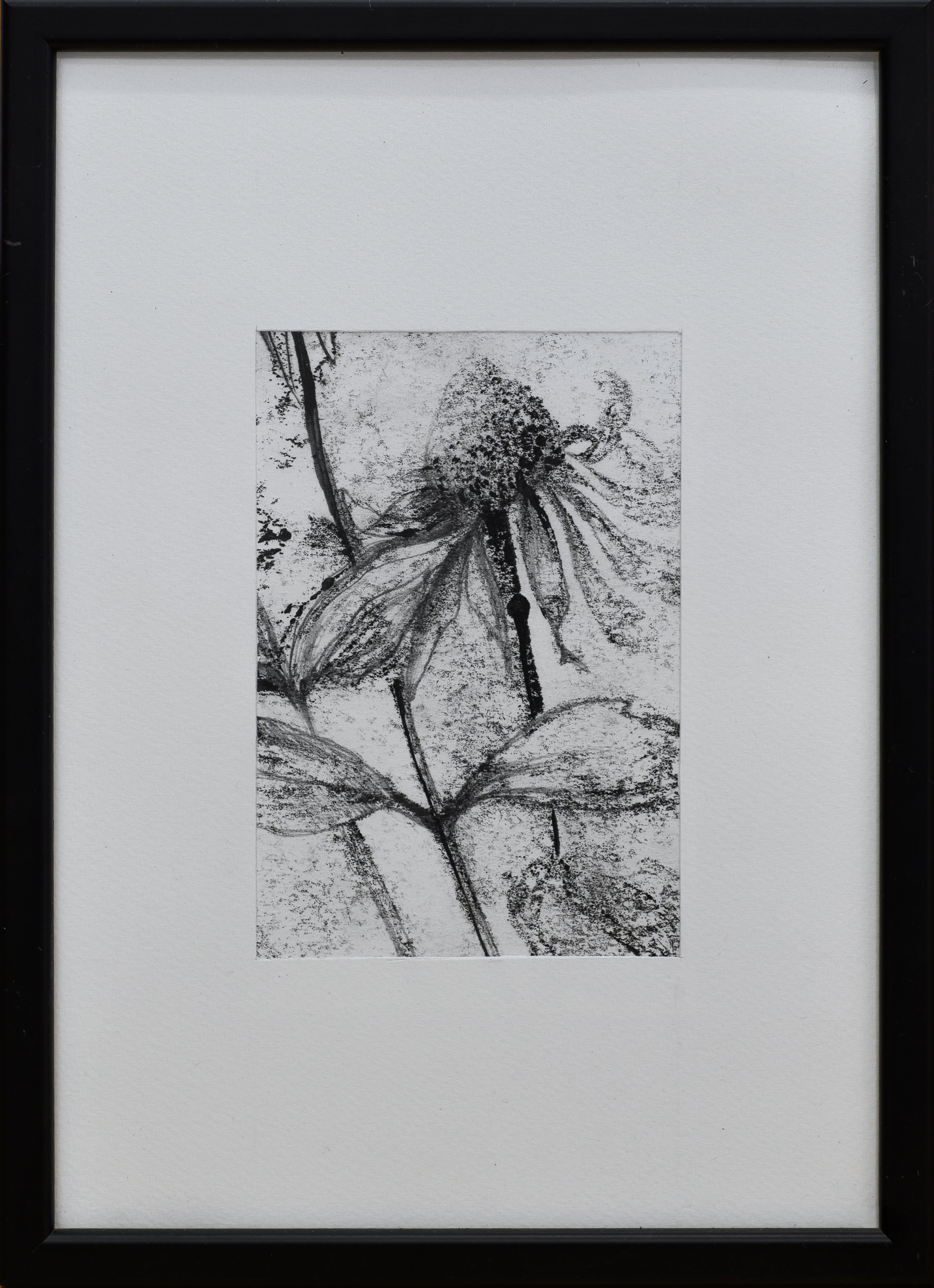
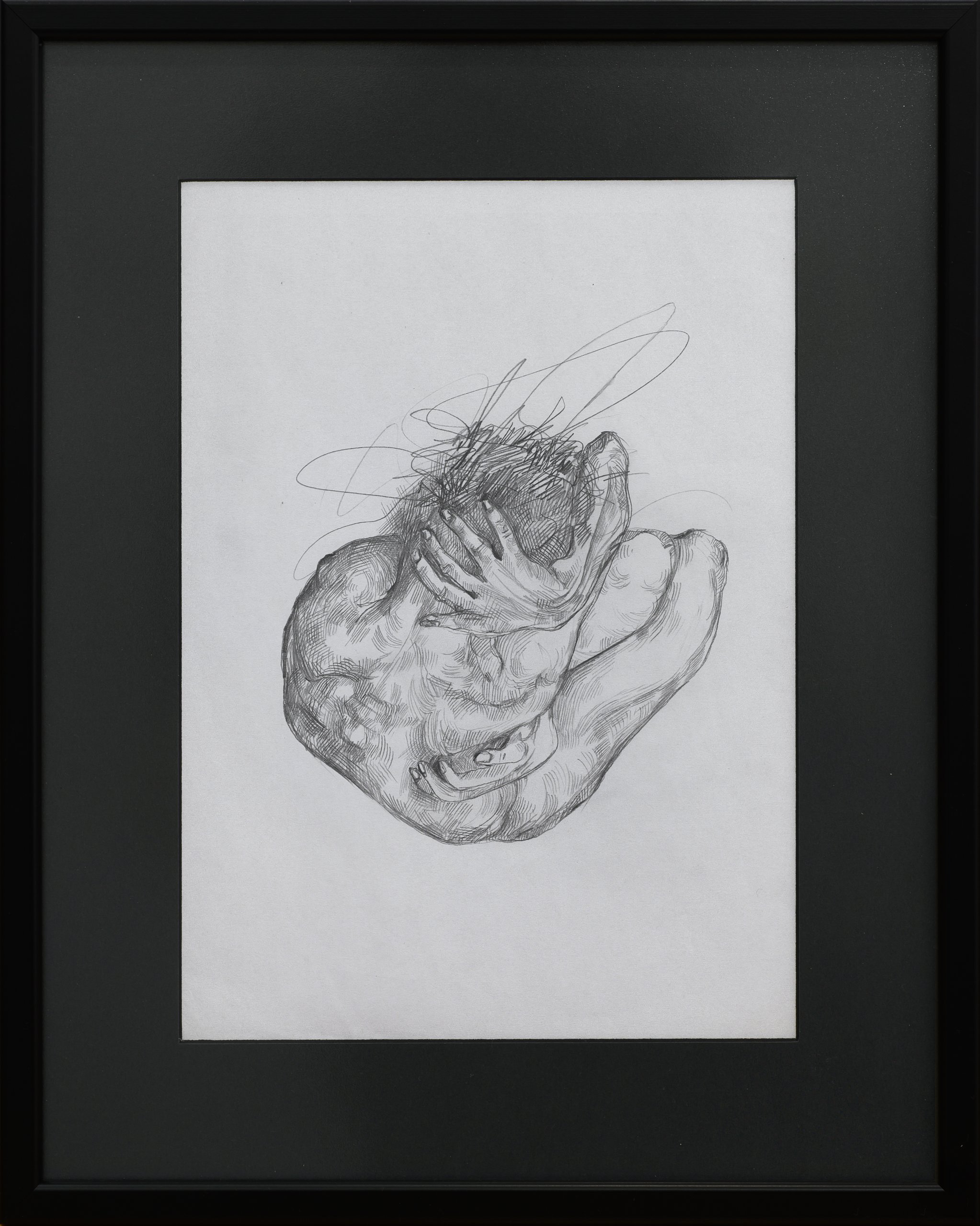
The Unfolding is Gergana Kadiyska's first solo exhibition. The title speaks of human life as a metamorphosis in which each stage prepares the next. Just as no stage can be skipped in the life cycle of a butterfly, a person moves from a child's exploration of the world, through long years of searching and maturing, to the ability to reveal themselves.
Through art the artist looks for her own voice and gathers the courage to show it. The exhibition is both a summing up and a beginning: what has been layering for years opens before the viewer's eyes today.
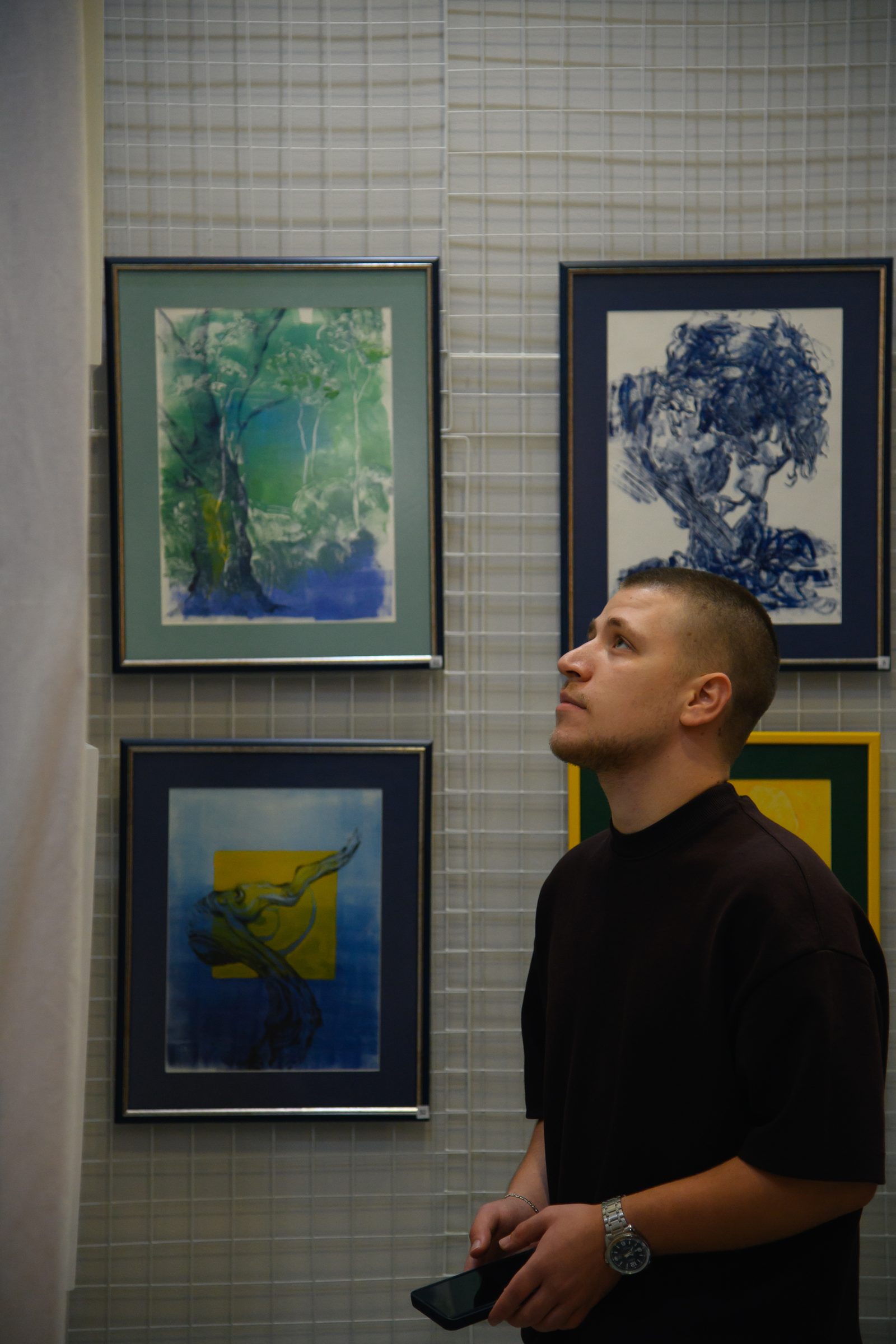
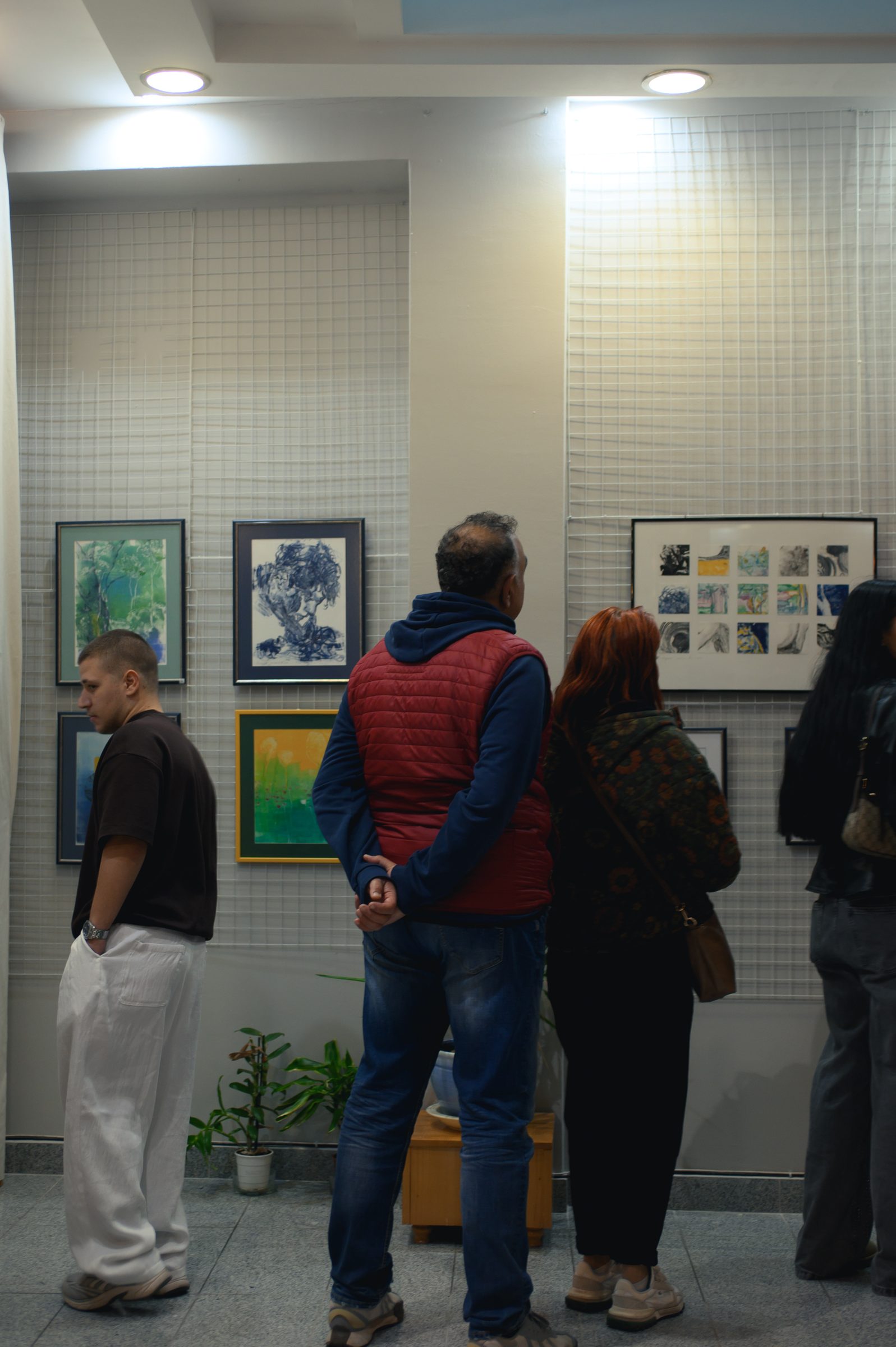
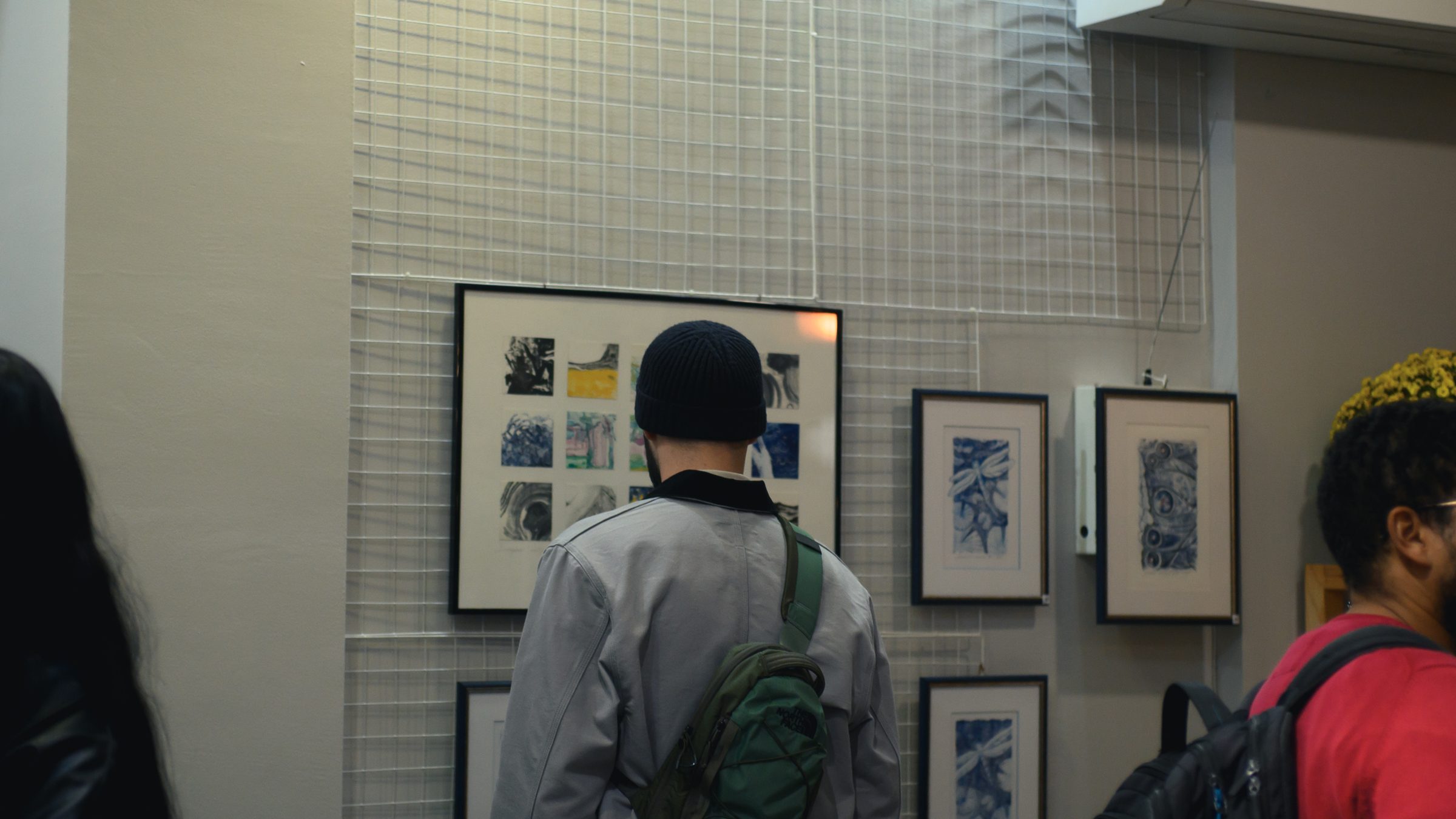
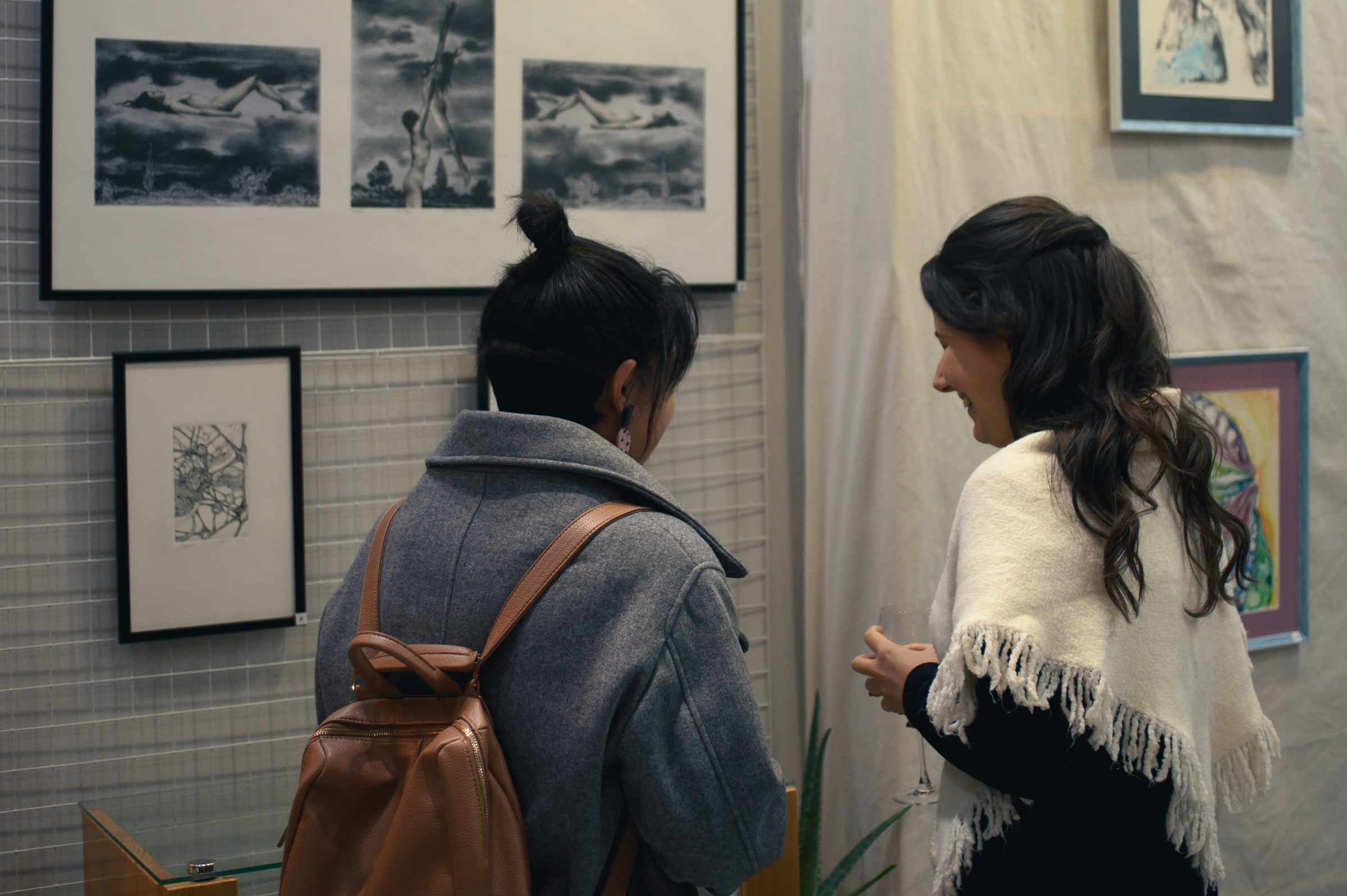
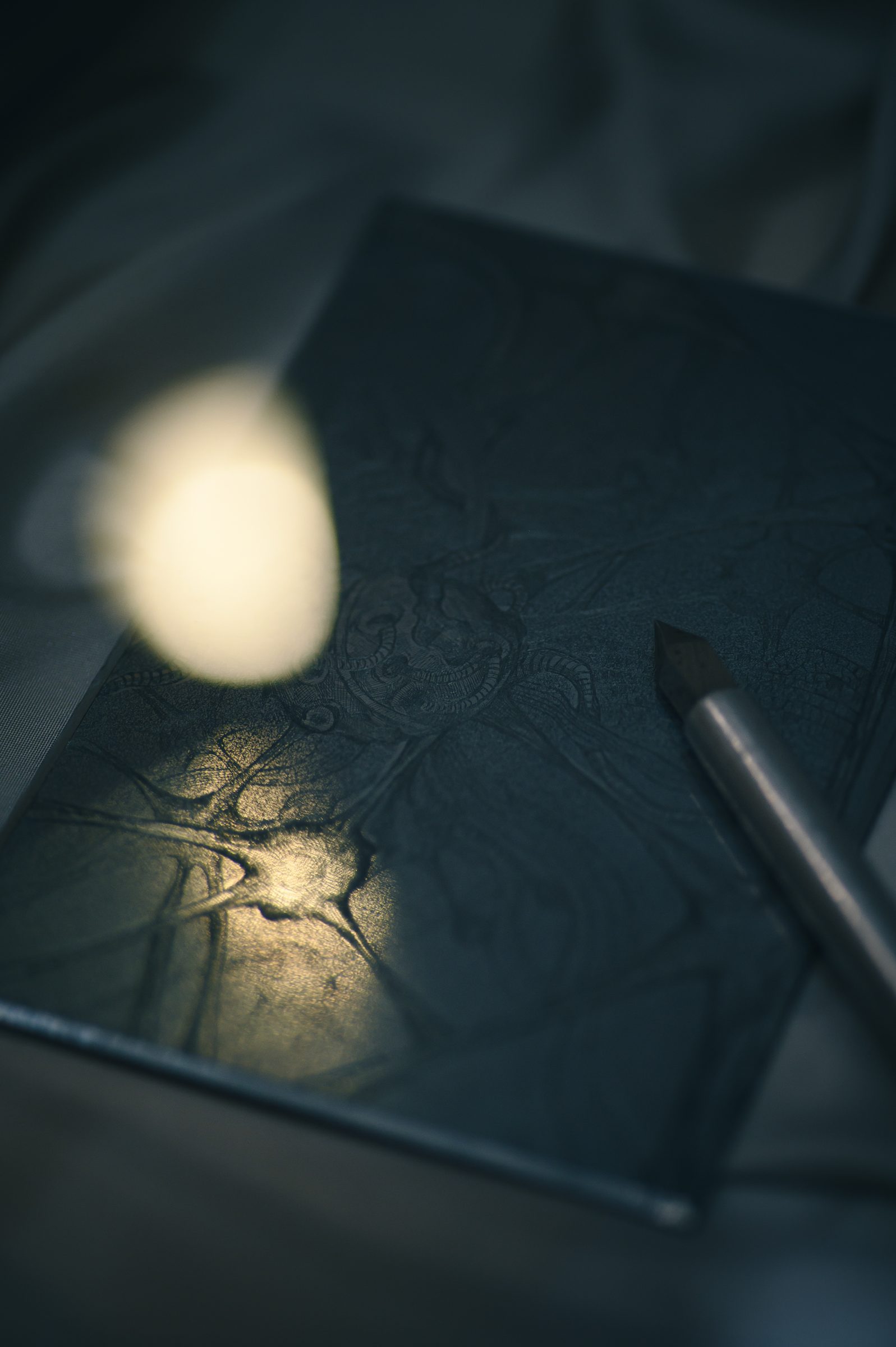
At the centre of The Unfolding is the monotype, a technique that by its very nature refuses repetition. Where traditional graphic art allows an image to be printed in editions, the monotype exists as a single work. For years the artist has dreamed of an exhibition devoted to this technique. Alongside the monotypes there are etchings, paintings on canvas and works in other techniques.
“In the monotype I feel free. What I love most is the moment the print reveals itself to me. Often I find something in it that I did not expect. Even if I repeat the same movements, I cannot make the same print again.”
In this impossibility of repetition the artist sees a kinship between art and human life: each print remains the only one, with its own trace and its own mark, as each of us does.
The works are like dreams. There is airiness in them, fragility, reverie and tenderness. What unites them is the colour blue, which the artist sees as the link between the earthly, the heavenly and the spiritual. “When you gaze into blue, you can lose yourself in its depth or, quite the opposite, find yourself,” the artist says.
“I have always felt like an explorer. Like a child seeing the world for the first time, who picks up a pebble, touches the soil, studies the grass. I think of myself as a seeker: of answers, of form, of beauty, of depth. I believe we all are, from birth to the end of our lives. And that it is the searching that changes us. While we search, we grow; when we stop searching, we stop changing too.”
She finds the same searching in the sketches of the great masters and in the journals of Leonardo da Vinci and Michelangelo. In them she sees the artist's path and the experiment, which the finished work sometimes hides.
“That is why I leave something raw in my works. I do not chase perfection, because it eats away authenticity. I chase depth.”